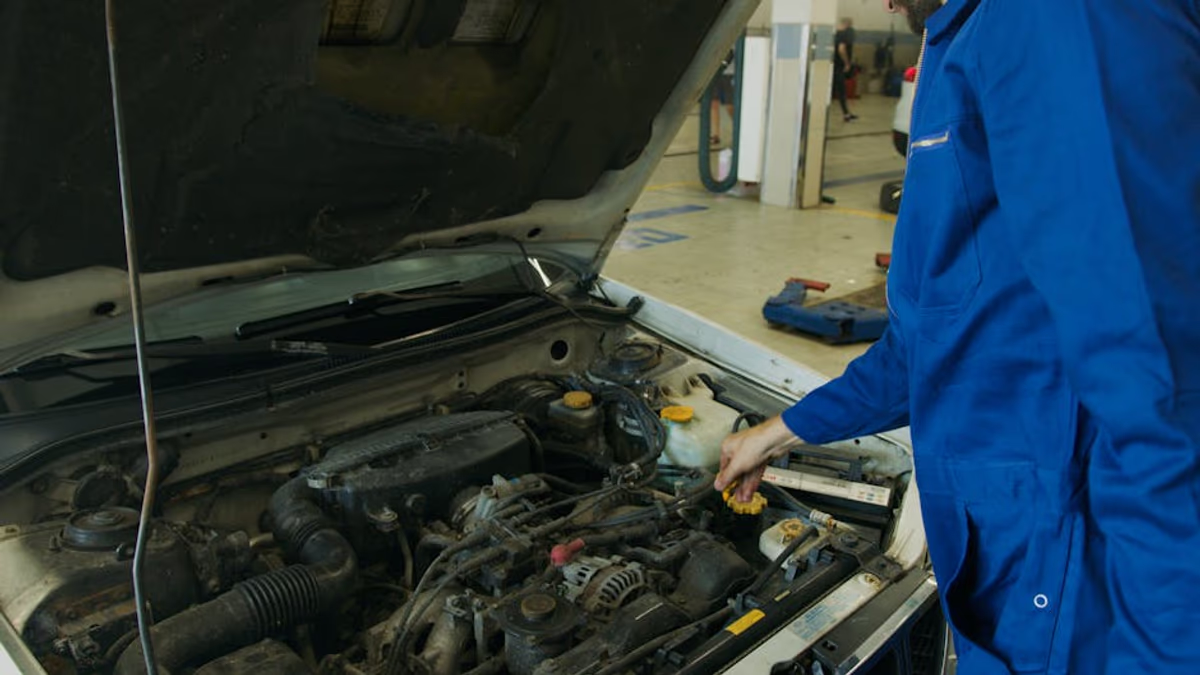
2. Running Low on Oil (Four-Stroke) or Wrong Mix (Two-Stroke)
Oil is the only thing preventing metal-on-metal contact inside the engine. Without it, temperatures spike and components weld together.
Four-stroke engines: The oil level drops over time through normal consumption and leakage. If the level drops below the minimum, the engine overheats and seizes. Some engines have a low-oil shutdown sensor — but many don't.
Two-stroke engines: The oil is mixed with the fuel. Too little oil in the mix and the engine runs hot and seizes. This happens more often than you'd think, especially when people eyeball the mix instead of measuring properly.
Prevention:
- Check four-stroke oil level before every use
- Measure two-stroke mix ratios accurately with a proper measuring vessel
- Change four-stroke oil at least annually
3. Sucking in Debris Through a Damaged Air Filter
The air filter keeps dust, grass clippings, and grit out of the engine. A torn, missing, or filthy air filter lets abrasive particles into the cylinder, where they scratch the bore and accelerate wear on piston rings, valves, and bearings.
How it happens: The filter gets checked once, looks a bit dirty, gets put back. Or worse — it gets left off after a quick inspection and the owner forgets to refit it.
Prevention:
- Inspect the air filter regularly — monthly during heavy use
- Replace paper filters annually (don't try to blow them clean — it damages the fibres)
- Wash foam filters in soapy water, dry, and lightly re-oil
- Never run an engine without the air filter fitted
4. Ignoring Vibration
Excessive vibration is your engine telling you something is wrong. The most common cause is an unbalanced blade, but it can also indicate worn crankshaft bearings, a damaged flywheel key, or loose mounting bolts.
How it happens: The mower hits a rock or thick root. The blade bends slightly but the mower still runs, so the owner keeps using it. The vibration slowly destroys the crankshaft bearings over weeks of use.
Prevention:
- Stop immediately if the mower hits something hard
- Inspect the blade for bends, cracks, and balance after any impact
- Investigate any new vibration — don't ignore it
- Have blades balanced after every sharpening
5. Water Contamination
Water in fuel causes corrosion, poor combustion, and can hydrolock an engine (water doesn't compress like air, so it can bend connecting rods). Water enters through condensation in fuel tanks, contaminated fuel containers, or rain getting into a machine stored without its fuel cap.
How it happens: A fuel container stored outside with a loose cap collects condensation. Or a mower is left outside in the rain without the fuel cap on. Even small amounts of water in the carburettor cause starting problems.
Prevention:
- Store fuel containers indoors with tight-fitting caps
- Don't use fuel from rusty or dirty containers
- Always replace the fuel cap after filling
- If you suspect water in the fuel, drain the tank and carburettor completely before adding fresh fuel
The Common Thread
Every one of these causes is preventable with basic care. You don't need mechanical knowledge — just attention and consistency. Annual servicing catches most of these issues before they become expensive failures.
Book your annual service: Call 07342 239878 or WhatsApp Paul to keep your machinery running reliably.